← Back
Service Design Seminar
Jerusalem Multidisciplinary College
Designing an intensive, hands-on learning experience that makes intangible systems, interactions, and experiences visible.
Introduction
As a lecturer in the Department of Inclusive Industrial Design, I design and facilitate an annual hands-on service design seminar.
I continuously develop its curriculum, learning materials, and practical tools. The seminar introduces students to design beyond the physical product, exploring the people, relationships, interactions, and systems that shape everyday experiences.
My role combines curriculum development, visual communication, knowledge design, digital product development, and hands-on facilitation.
Making the Intangible Tangible
Unlike product or industrial design, service design often deals with the invisible and intangible — interactions, relationships, emotions, perceptions, and experiences.
Teaching service design to industrial design students therefore presents a unique challenge: how might we make something that is not necessarily physical visible, tangible, and actionable?
My approach is to let students develop a service design mindset through doing rather than theory alone. Visual frameworks, practical tools, and hands-on exercises help them navigate abstract thinking, make sense of complexity, and translate research into meaningful design opportunities.
Designing the Learning Experience
The seminar is structured as an intensive learning journey combining theoretical knowledge with practical experience. Guided by the Double Diamond framework, students move through a complete human-centered design process — from exploring people's needs and synthesizing research to identifying opportunities, developing ideas, and prototyping service experiences.
20–30Design students
6–8Life events and design challenges
Designing for Life Events
Each edition explores real-world challenges. The second seminar focused on significant life transitions — moments when people face changing needs, unfamiliar situations, and complex service ecosystems.
Twenty-three students in six teams explored early parenthood, entering higher education, unemployment, moving home, transitioning out of military or national service, and rehabilitation following an injury.
Visualizing Design Methodologies
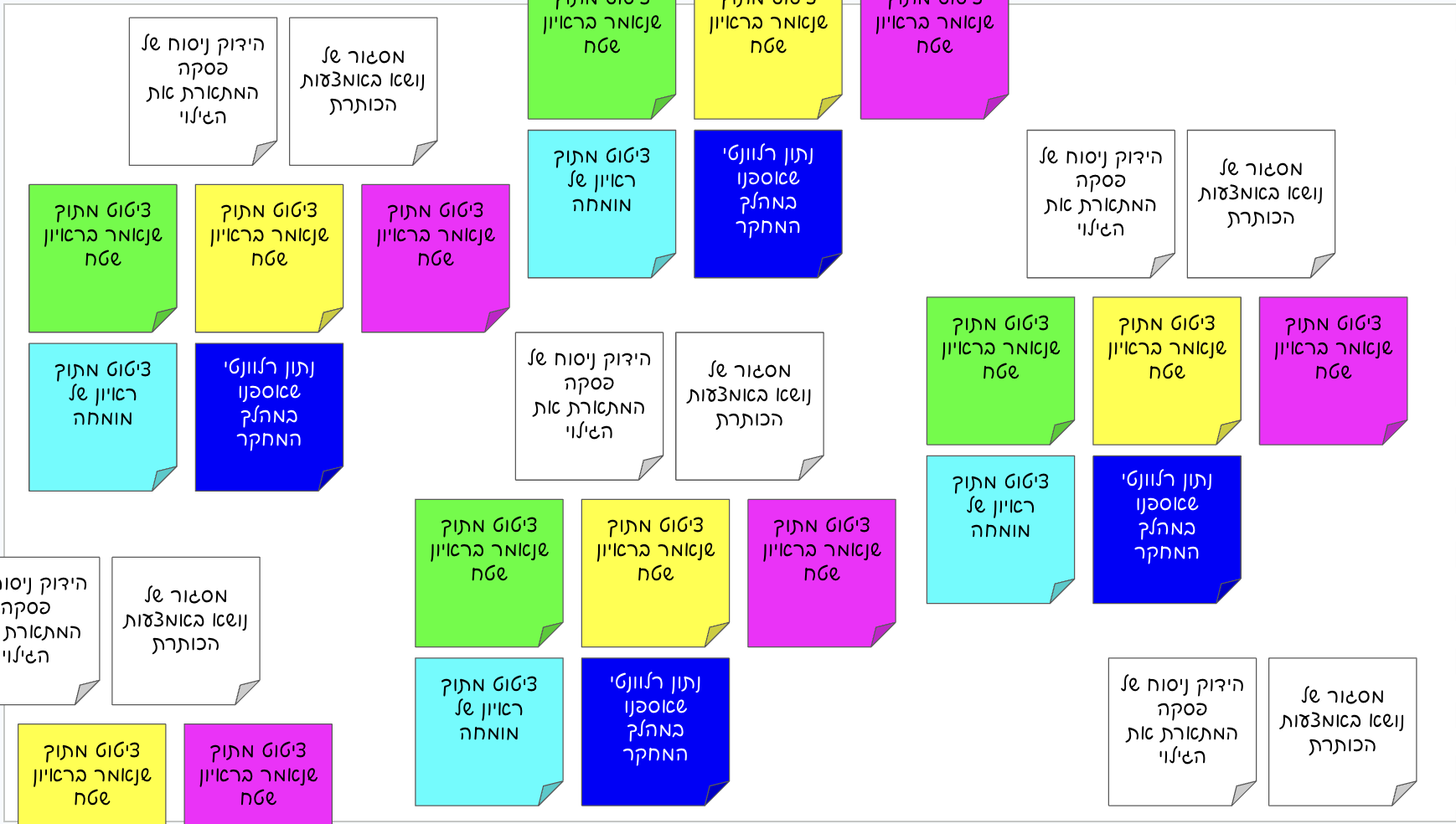
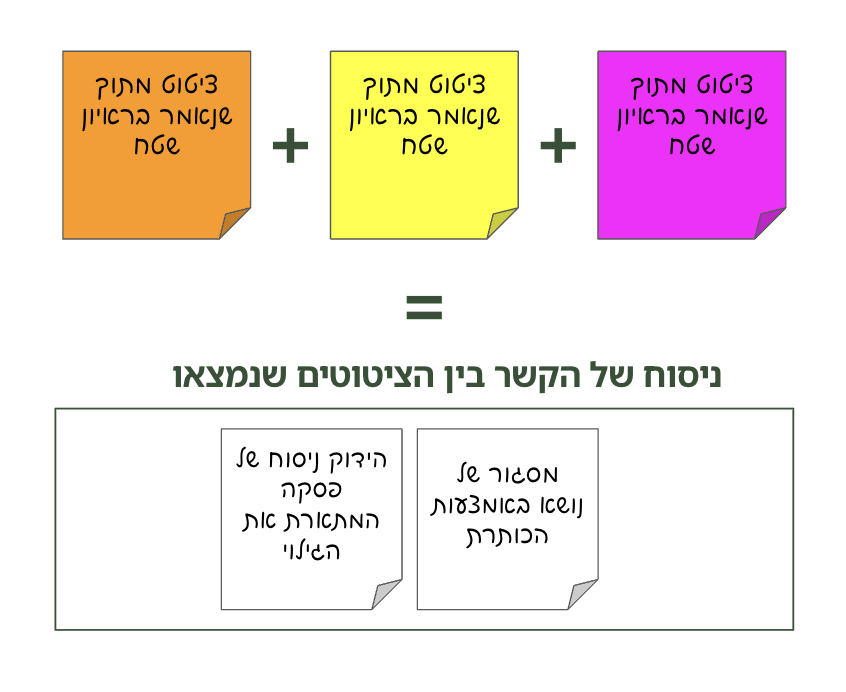
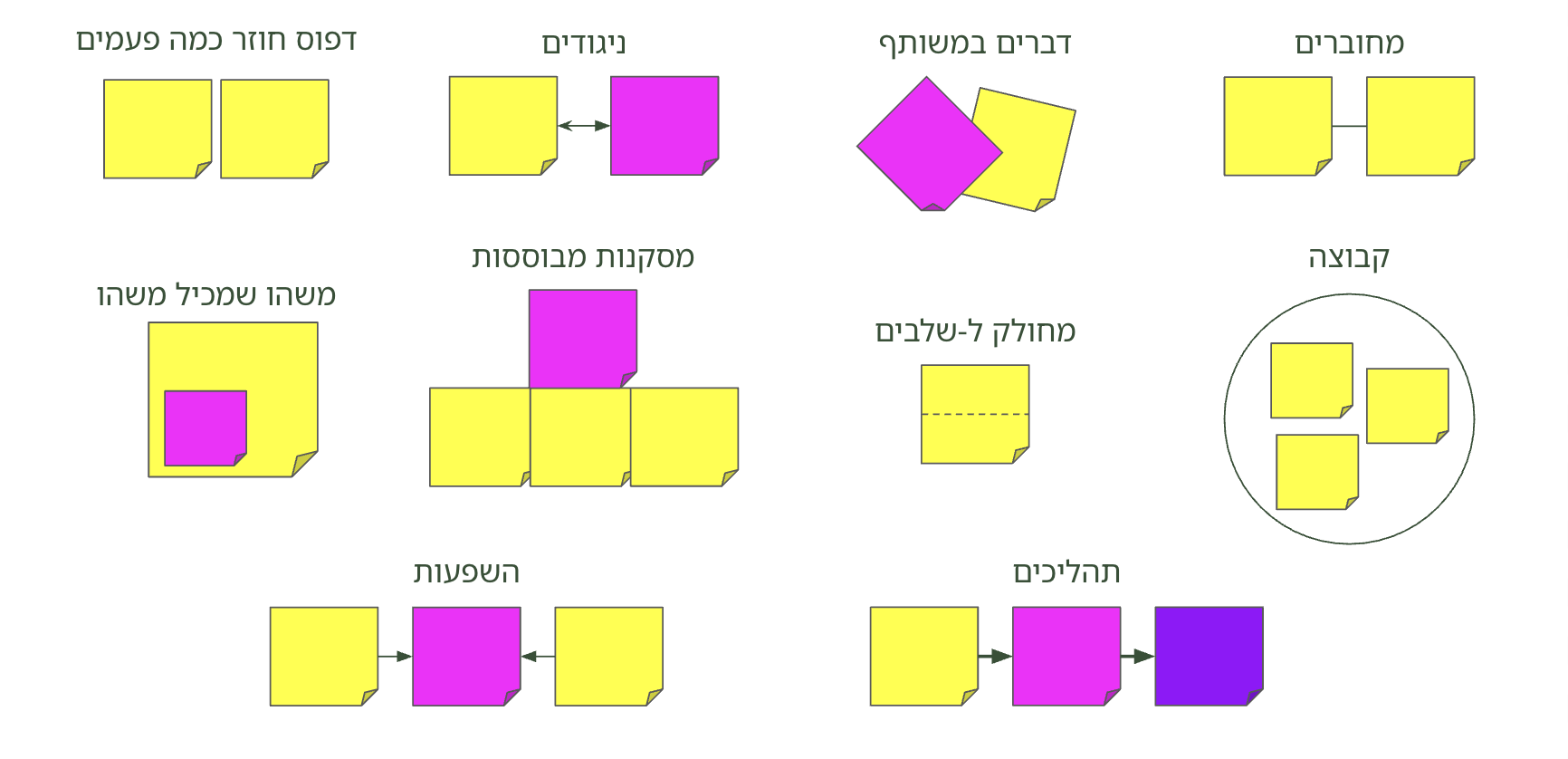
A key part of developing the seminar is translating abstract methodologies into accessible, visual, and actionable learning materials. Color, composition, spatial relationships, and step-by-step illustrations show students how to identify patterns, connect findings, recognize meaningful relationships, and formulate evidence-based insights.
Visual tools for identifying patterns, connecting research findings, and formulating insights.
Learning Through Doing
Through field research, collaborative exercises, visual thinking, and experimentation, students actively engage with service design methodologies and develop their ability to work with ambiguity and complexity.
They use different visual and creative media to explore, prototype, and communicate service experiences — making interactions, emotions, and atmosphere visible to others. My role is to provide structure and guidance while creating space for curiosity, collaboration, and independent thinking.
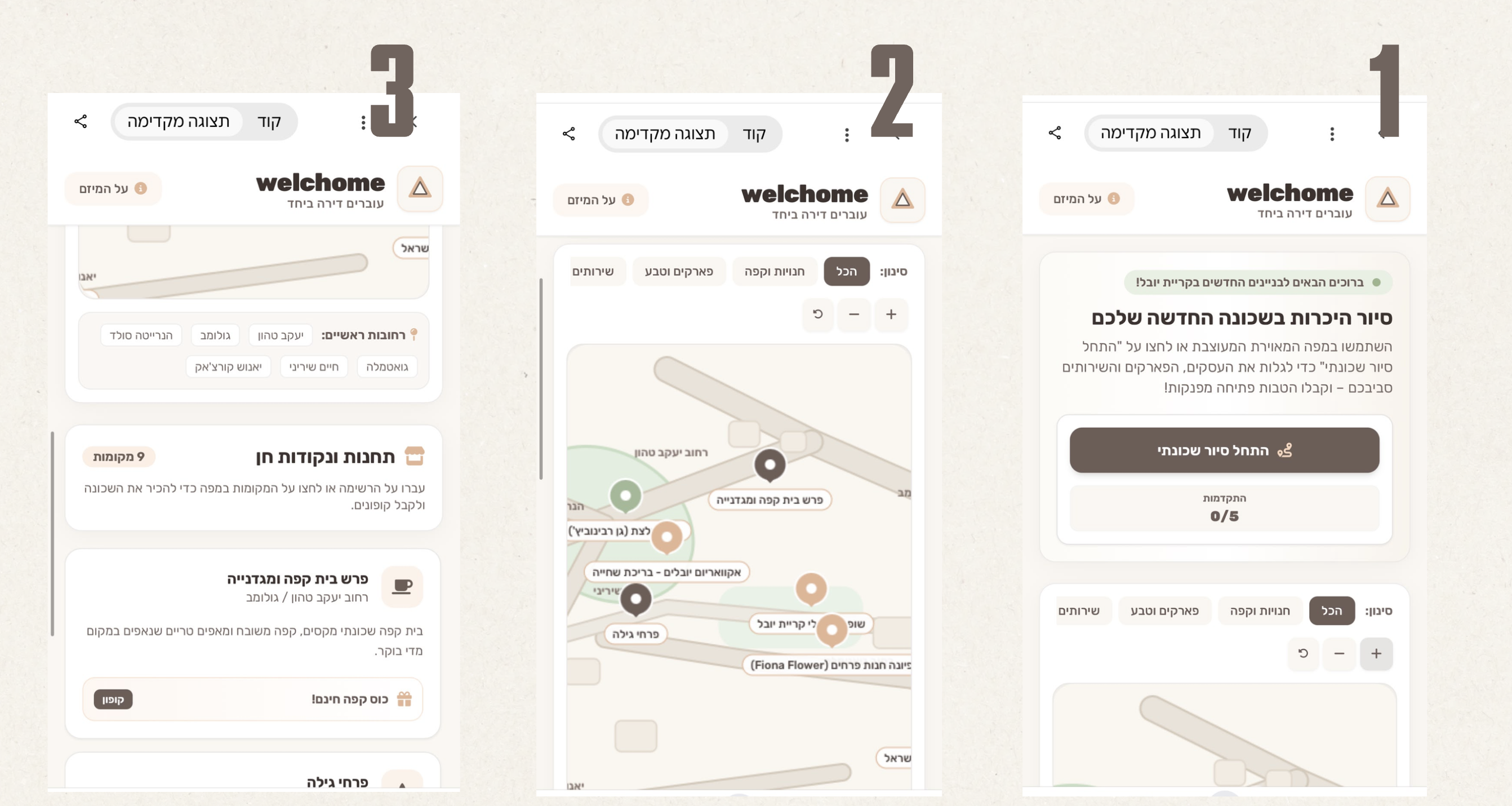
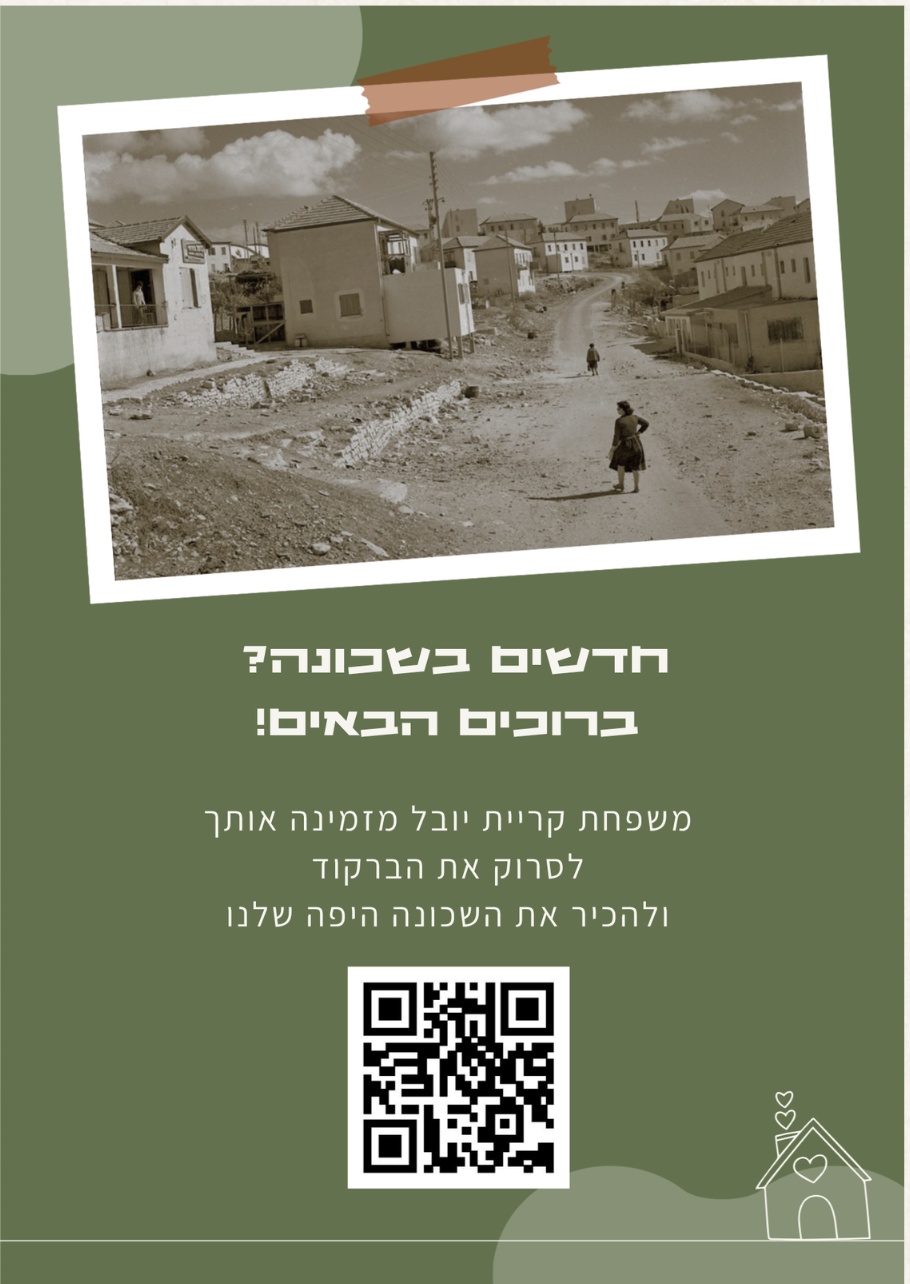
Welchome — Moving into a New Neighborhood
The team explored the experience of moving home and developed a prototype to test new residents’ willingness to sign up for a digital platform designed to help them discover their neighborhood.
Students: Mevaseret Birenboym, Gefen Hagar, Shir Tzemach, and Hadar Ben Harosh.
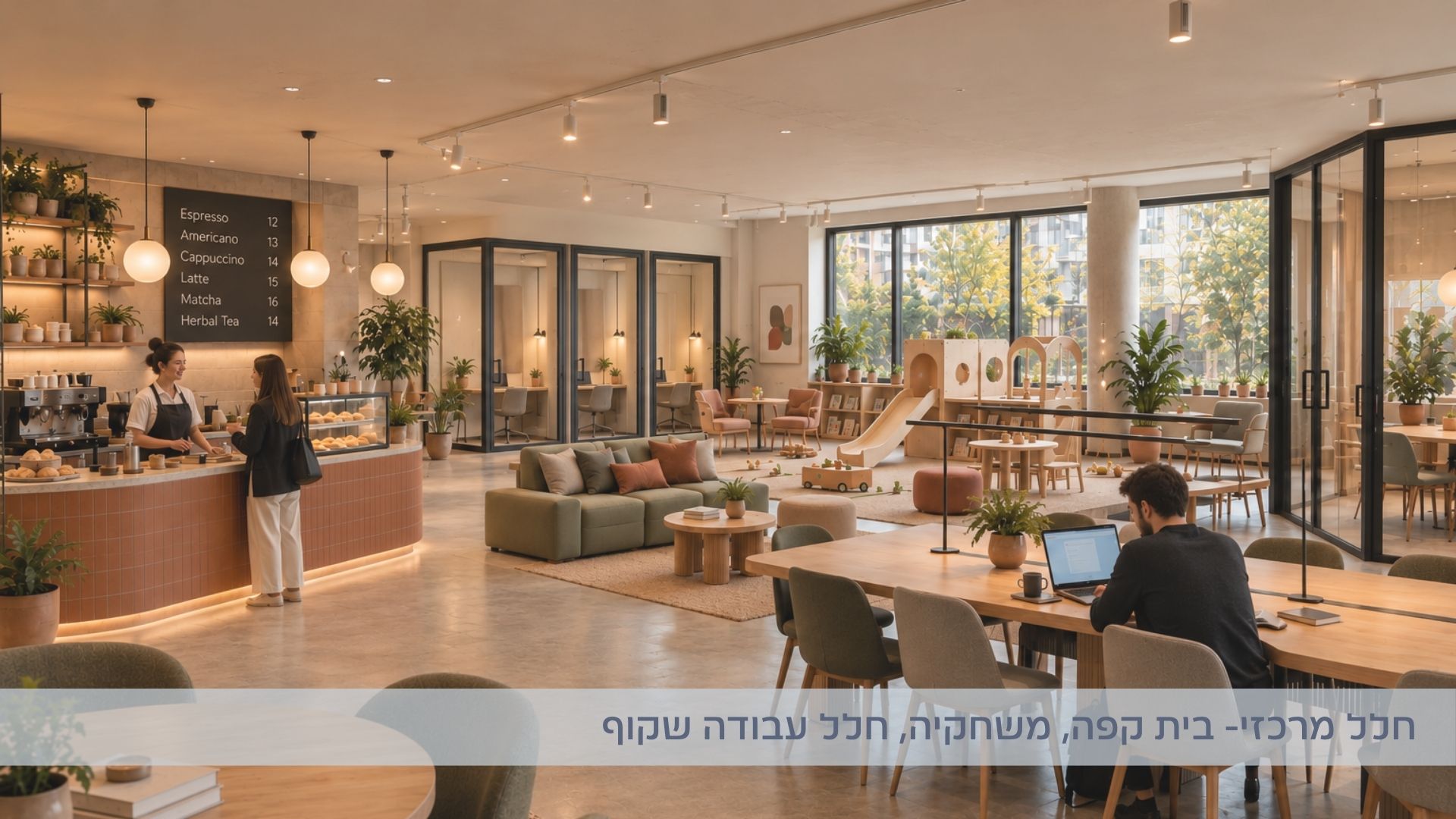
Community Center for First-Time Parents
The team explored the challenges of first-time parenthood and visualized a community center designed to help new parents navigate fears and uncertainties, access reliable professional guidance, and adapt to their new reality.
Students: Yuval Bashan, Amir Ben David, Naama Marmarosh, and Gilat Yakubovitz.
The Digital Learning Experience
To extend learning beyond the classroom, I designed and developed a digital service design toolkit using AI-assisted development. The platform brings together the methodologies, concepts, practical tools, and design mindsets introduced throughout the seminar.
Rather than functioning solely as a repository, the website connects knowledge with action — helping students understand not only what a methodology is, but also when, why, and how to use it.
Beyond the Classroom
For me, teaching service design is a service design challenge in itself.
It requires understanding learners' needs, designing meaningful learning experiences, and creating the conditions for discovery, collaboration, and independent thinking.
Each year, the seminar becomes an opportunity to rethink and refine the way service design is taught, making its methodologies more accessible, its processes more tangible, and its possibilities more visible.
Ultimately, my goal is to equip students not only with a set of design tools, but with a mindset that allows them to see, understand, and design experiences beyond the physical world.